
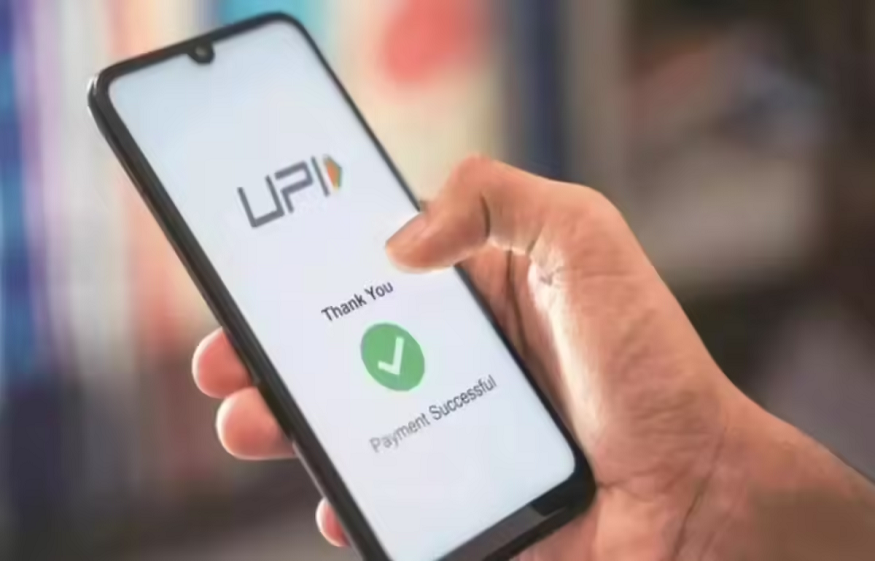
You know how personal finance apps can be nerve-racking? After all, we’re talking about your hard-earned money, right? That’s where biometrics step in, raising security standards like a knight in shining armor. These days, Unified Payments Interface (UPI) apps have started weaving biometric tech into their framework, making transactions not only slick but safe. Let’s see how this game-changer is reshaping the digital payment world.
What’s the Big Deal with Biometrics?
First off, let’s break down “biometrics.” It’s a fancy term for using your unique traits—like fingerprints or facial recognition—to unlock apps. Remember how a thumbprint can unlock a phone? Now, imagine the same level of security when you’re transferring money. Sounds reassuring, doesn’t it?
Biometrics is all about personal identifiers. We each have unique fingerprints or retinal patterns, and these are mighty hard to replicate. So, in terms of security, they’re like a secret handshake no one else knows.
Making UPI Apps Robust
UPI apps have revolutionized how we handle money—think of them as your digital wallet. But what’s the point of a wallet if it gets picked? That’s where biometrics make their entrance.
With biometric integration, the security breaches we all dread become less of a threat. The system recognizes you—only you—before permitting access. Have you ever misplaced your password and panicked a bit? Biometrics means that anxiety can be a thing of the past.
Why Are Biometrics Crucial?
Well, convenience is one part of the equation. But what really matters is trust. When you know your transactions are secure, you breathe a little easier. And let’s be real: peace of mind is worth its weight in gold.
Moreover, in a world where cyber-attacks are becoming cleverer by the day, having an additional layer of defense is like wearing a seatbelt on a bumpy road. You hope you don’t need it, but it’s comforting to know it’s there.
Beyond Security: The Human Touch
Here’s the thing: Biometrics doesn’t just amp up security. It also adds a dash of human touch to technology. It might sound strange, but having an app recognize your face or voice personalizes the digital experience.
Imagine this—you’re greeted by your voice-activated app, and it feels friendly, almost like a warm hello from a barista who remembers your favorite coffee. It’s subtle but makes tech feel less like a cold machine and more like a helpful sidekick.
But What’s the Catch?
Well, nothing’s perfect. While biometrics are mostly secure, they’re not bulletproof. Think about security like layers of an onion—each one makes tearing it apart more difficult. Biometrics add another layer, but the core still needs protection through other means, like encryption and strong authentication protocols.
And privacy concerns? Those are real too. The idea of your biometric data in the cloud gives some folks the jitters. Who has access? How’s it stored? All fair questions that tech companies are working to address with better transparency.
Does Everyone Jump on Board?
Not quite yet. Implementation isn’t seamless across all infrastructure, especially in areas with poor technology penetration. Some folks are still hesitant, and that’s fair. It takes time, and a bit of hand-holding, to embrace new tech.
And then there’s the generational gap. Older users might find biometrics a bit techy; meanwhile, younger folks embrace it like a new gadget. It’s a balancing act—introducing cutting-edge tech while ensuring it’s understandable for everyone.
What’s in Store for the Future?
So, where do we go from here? Biometrics aren’t just a flash in the pan; they’re here to stay and evolve. New forms of identification, like voice patterns and even heartbeat rhythms, are in the works. Imagine unlocking your secure UPI app with just your voice while sipping your morning coffee. Sounds futuristic, doesn’t it?
The blend of convenience and security will continue to develop, bridging the gap between what’s possible and what’s personal. It’s an exciting journey, and like any adventure, it’ll come with its ups and downs.
Wrapping It Up with One Last Thought
In a nutshell, biometrics in UPI apps are like adding an impenetrable lock to your front door. They’re changing the security game—not by reinventing the wheel but by making it turn smoother and faster.
Sure, it’s not all sunshine and rainbows, and questions about privacy and accessibility remain. But as technology keeps pushing forward, the balance between convenience and security finds a more harmonious tune.
So, next time you unlock your UPI app with a fingerprint, take a moment to appreciate how far we’ve come, and maybe, where we’re headed.