
A useful memorial plan gives family members enough information to act without asking them to guess every preference. It does not need to prescribe every flower, song, or detail of a future gathering. Start with the decisions that matter most: the intended arrangement for cremated remains, the people who should be contacted, and the records that explain any existing purchases or reservations.
Writing these preferences down can also reveal questions that need discussion. A person may prefer cremation but have no plan for where the remains will eventually go. Someone else may have selected a cemetery without telling the family or considered a home display without asking who would care for it. Addressing those gaps makes the plan more practical and easier for others to understand.
Separate firm wishes from flexible preferences
Divide the plan into decisions that are important to you and details you are comfortable leaving to others. For example, you may have a firm preference for a particular cemetery but no strong view about the color of an urn. Making that distinction can give your family useful freedom while protecting the elements you care about most.
Use direct language. “I would prefer a small gathering with close family” is easier to interpret than a vague request for something simple. If a preference has a reason, add a short explanation. Knowing that a location matters because a spouse is already there may help relatives make a sensible alternative choice if the exact arrangement becomes unavailable.
Read More: Third-Party Claims: How Liability Insurance Protects You
Include an alternative for important decisions where possible. A chosen product may be discontinued, a venue may close, or a relative may move. An alternative does not weaken the main preference; it gives the family a way to respond to changed circumstances. Describe the qualities that matter, such as a quiet indoor location or a familiar religious setting, rather than relying entirely on one commercial option.
Decide where the cremated remains should go
Consider the long term destination before selecting a container. Possibilities may include a cemetery arrangement, care by a willing relative at home, or another permitted form of placement. Discuss the option with the relevant provider or location so the plan reflects what is actually available. A personal wish should not depend on assumptions about access, permission, or someone’s willingness to become the custodian.
If a family member would keep the remains, ask directly whether they are comfortable doing so. Discuss what should happen if their circumstances change. A move, illness, or household change can affect a previously workable arrangement. Naming a backup contact and an alternative destination gives the family a path forward without leaving one person with an undefined lifelong responsibility.
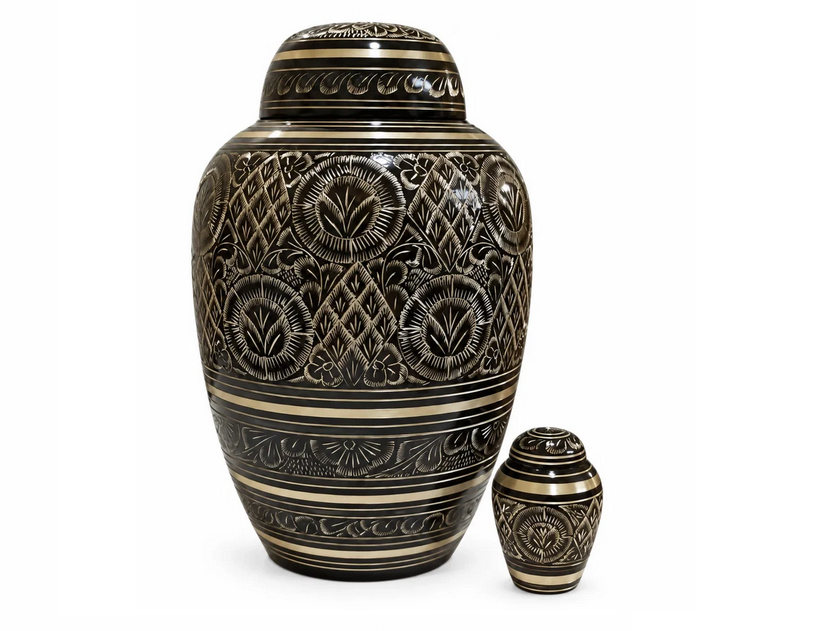
Urns can be considered once the intended placement is clear. Record preferred qualities such as material, color, capacity guidance, or a simple design, and note any cemetery dimensions that must be met. Save a product reference if useful, but include enough description that a similar suitable option could be selected if the exact item is no longer available.
Discuss shared remains and personal mementos
State whether you have a preference about keeping the cremated remains together or allowing portions to be shared, subject to applicable requirements and the chosen tradition. Do not assume that all relatives want a keepsake. A preference can explain what is acceptable while leaving people free to choose a photograph, letter, or personal object instead.
If you would like particular mementos to accompany the memorial, describe them and explain where they are stored. Distinguish this planning note from any formal legal instructions concerning property. If an item has financial value or ownership is uncertain, ask an appropriate professional how that wish should be documented. An informal memorial list should not create conflicting expectations about belongings.
Consider writing a short note about a meaningful object or symbol. A family may know that you love a certain flower without knowing the story behind it. The note can help them choose a personal detail for the urn, program, or display. It can also preserve a memory even if the physical object is not included in the final arrangements.
Describe the gathering in practical terms
Begin with the intended audience and atmosphere. Would you prefer a private family gathering, a religious service, or an event open to friends and colleagues? Identify any tradition, leader, or community that should be consulted. If the location is important, provide the name and contact details, while making clear whether it has actually been reserved or is simply a preference.
Record a few choices that would help someone prepare the program. These might include a preferred reading, music selection, photograph, or person who could speak if willing. Avoid assigning responsibilities without first asking the people involved. A friend may be comfortable offering a memory but not coordinating the entire event, and that distinction should be respected in the written plan.
Read More: What Our Grandparents Got Right (and Wrong) About Saving
Give permission for practical adaptation. Family members may be traveling, a preferred speaker may be unavailable, or a gathering may need to take place later than expected. Explain which aspects can change and which should be discussed with a particular person. A usable plan helps others make decisions under real conditions instead of creating a performance they feel obligated to reproduce exactly.
Make the financial information clear
Keep a record of any arrangements already purchased, including the provider, contract number, items covered, and contact information. Label a quotation as a quotation and a paid agreement as a paid agreement. These are different records, and confusing them can lead a family to believe an expense is settled when it is only estimated.
The FTC explains that the Funeral Rule allows consumers dealing with covered funeral providers to choose individual goods and services rather than being required to purchase an unwanted package. It also permits families to provide an urn bought elsewhere without a handling fee from the funeral provider. These protections help frame questions about the proposed arrangement, but the written terms of any prepaid agreement still need careful review.
If considering advance payment, ask what is covered, how changes are handled, what happens after a move, and which costs may remain payable later. Request a clear explanation of cancellation and transfer terms. Keep copies where the people making arrangements can find them. The purpose of the memorial plan is to identify the agreements and questions, rather than to assume every payment product works the same way.
Identify people and their actual responsibilities
List the main family contact, the funeral provider if one has been chosen, and any cemetery or religious contact. Include telephone numbers and a backup where possible. Explain each person’s role in ordinary language. “Has the cemetery agreement” is more informative than placing a name on a general contact list without context.
Distinguish a person you trust to help coordinate from the person legally authorized to make disposition decisions. Ask a local funeral provider or qualified professional how the relevant authorization should be documented. A name in a personal planning note may not by itself create that authority. Resolve the formal question separately, then make the practical contact list consistent with it.
Discuss the plan with the people who are most likely to act on it. Let them ask questions and identify arrangements that may be difficult to carry out. This conversation can reveal missing details, such as an inaccessible document location or an assumption that one relative will pay for travel. Adjusting the plan now is easier than leaving those issues unresolved for the family later.
Create an accessible planning packet
Keep the preferences, contacts, contracts, and location information together in a clearly named folder. Include copies of relevant documents and instructions for locating originals. Choose a storage method the intended contacts can actually access. A well organized digital folder is not useful if no one knows it exists or the only access method is unavailable when needed.
Avoid placing essential funeral instructions only in a document that may be reviewed too late for immediate arrangements. Tell the main contact where the current planning packet is kept and provide a copy if appropriate. Sensitive financial or identity records can be stored separately with clear access instructions. The packet should point to what is needed without exposing unnecessary personal information to every helper.
A one page overview can sit at the front. Include the date, main contact, intended placement, important traditions, existing arrangements, and the location of supporting records. The detailed pages can then provide context. This structure allows someone to understand the immediate next steps before reading every preference or historical explanation in the folder.
Review the plan after meaningful changes
Update the packet after a move, a change in family circumstances, a new cemetery arrangement, or a change in your wishes. Check contact details and confirm that the people named remain willing to help. A brief review is often enough. The aim is to keep the practical information dependable, not to rewrite the entire plan every time a minor preference shifts.
Mark the current version clearly and remove or label outdated copies. Tell the main contact when a substantial change is made. If an update affects a formal agreement or legal authorization, use the appropriate process for that document as well. Editing a personal summary does not necessarily amend the underlying arrangement, so keep the different records aligned.
You can begin with an incomplete plan. Write the decisions already made, list the questions still open, and choose the next conversation needed to resolve them. A short, accessible record with clear responsibilities is more useful than a detailed plan that remains unfinished or hidden. Over time, those decisions can become a coherent set of wishes that gives family members both direction and room to respond thoughtfully.
